From Metal Forming to Finished Coffee Tools
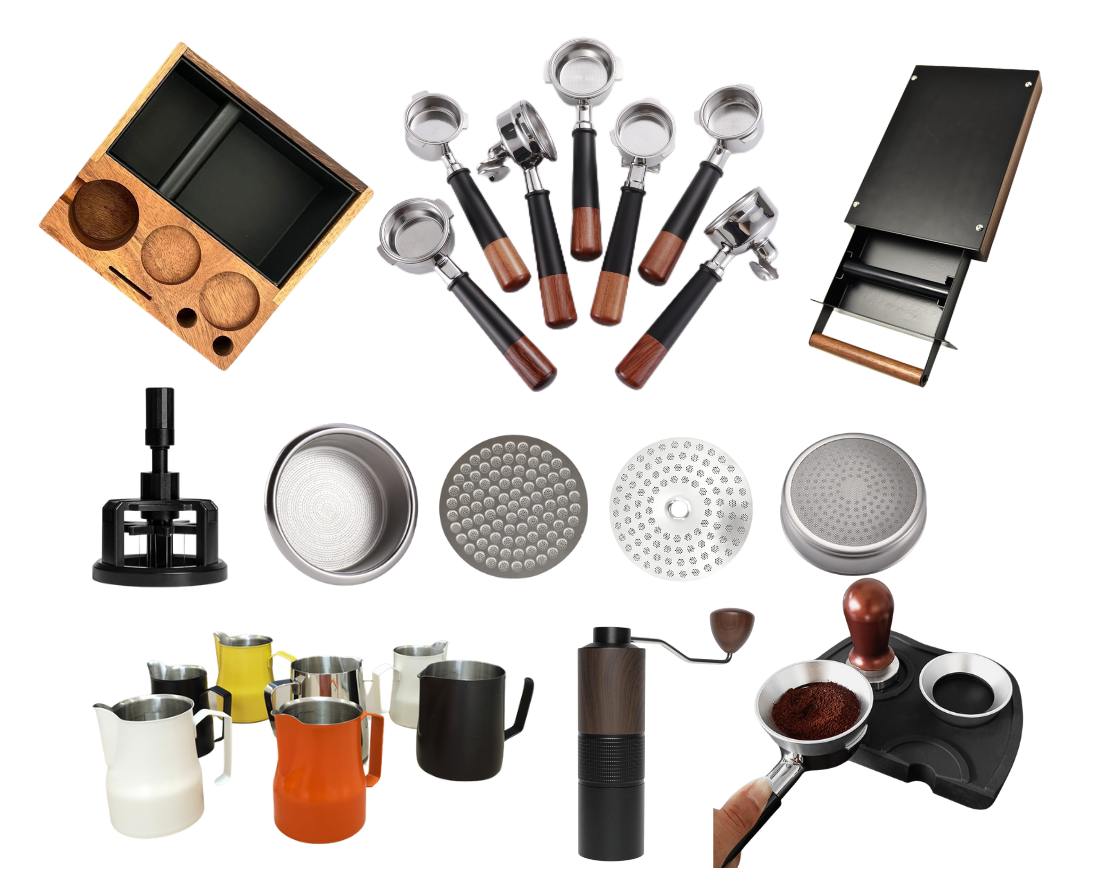
SiF supports coffee machine brands, distributors and OEM projects with manufacturing capabilities built around espresso components and coffee tools. The value is not one single process, but the ability to combine stamping, precision perforation, CNC machining, die casting, marking, finishing and assembly into a practical production route.
Focused on Coffee Tools & Espresso Components
- Filter baskets: forming, perforation and dimensional control
- Portafilter parts: die casting, machining and assembly
- Shower screens: precision-hole and CNC components
- Custom machine parts: adapters, housings and interfaces
- Branded accessories: marking, finishing and packaging
Seven Processes Behind SiF Coffee Tools & Components
Each process is tied to real product applications so buyers can quickly understand where SiF fits into an OEM or repeat-supply project.

Metal Forming for Baskets & Components
Stamping is used where repeatable geometry, formed stainless-steel structures and efficient volume production are required.
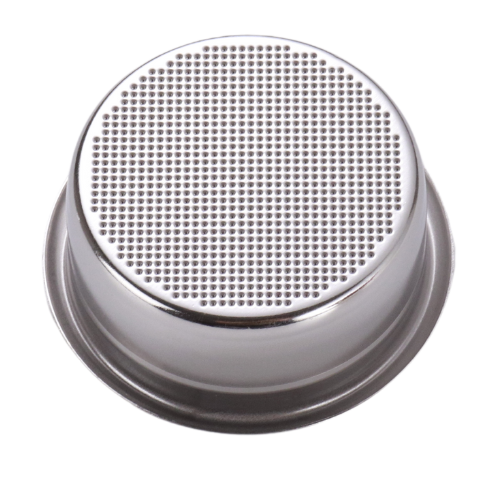
Controlled Hole Patterns for Filter Baskets
Precision perforation is central to SiF’s basket capability, including high-density hole patterns and suitable projects requiring ±0.05mm hole-diameter tolerance.

Precision Machining for Screens & Custom Parts
CNC machining supports non-standard geometries, tighter interfaces and custom machine components developed from drawings or physical samples.
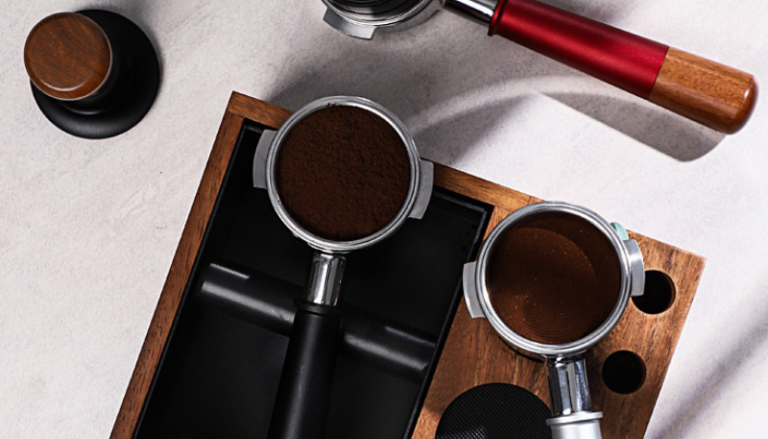
Structural Components for Portafilter Programs
Die casting is suitable for selected portafilter and handle-related components where consistent shape and production scalability are important.
Branding, Identification & Traceability
Laser marking can be used for private-label logos, part identification and selected traceability requirements across suitable metal products.

PVD, Anodizing, Brushing & Polishing
Surface treatment is selected according to material, product position and visual requirement, helping OEM programs achieve a consistent finished appearance.

From Components to Finished Product
Assembly brings together heads, handles, connectors, accessory parts and packaging into finished products ready for wholesale or private-label programs.
Drawing → Prototype → Tooling → Production → QC
A clear development route helps machine brands reduce risk before committing to bulk production.
Drawing Review
Review 2D / 3D drawings, physical samples, machine interfaces and critical dimensions.
Prototype
Produce sample-stage parts to confirm geometry, fit and process feasibility.
Tooling
Develop production tooling where stamping, forming or other dedicated processes require it.
Production
Move to repeat production using the approved process route, material and specification.
QC
Check critical dimensions, appearance and approved specifications before shipment.
One Project Often Requires More Than One Process
A custom espresso component may require CNC prototypes first, production tooling later, then finishing, assembly and inspection. SiF coordinates these steps as one development path instead of treating every process as a separate sourcing problem.
- Drawing or physical-sample based development
- Prototype before production tooling
- Multiple metalworking processes coordinated in one project
- Material and finish review by component
- Sample approval before mass production
- Repeat supply after the specification is locked
Where These Capabilities Are Used
Stamping, perforation, forming, dimensional inspection and surface finishing.
Die-cast or machined components, handle interfaces, finishing, marking and assembly.
Precision perforation, CNC machining, forming and machine-specific fit development.
CNC adapters, spacers, housings, interfaces and other parts made to drawing or sample.
Machining, casting, polishing, anodizing, laser marking and finished-product assembly.
Logo marking, finish selection, assembly and retail-ready packaging support.
Control the Critical Dimensions, Not Just the Final Appearance
For machine components, fit and function depend on critical geometry. Inspection focuses on dimensions and features that matter to assembly, locking, water flow and repeatability.
- Diameter and height checks
- Hole pattern / perforation checks
- Interface and locking geometry checks
- Appearance and surface-finish inspection
- Sample-to-production consistency review
What to Send Us for a Faster Review
The more technical context we receive at the beginning, the faster we can evaluate manufacturability and recommend a practical production route.
- 2D / 3D drawing
- Physical sample or reference part
- Machine model / interface information
- Material requirement
- Critical tolerances
- Target quantity or annual volume
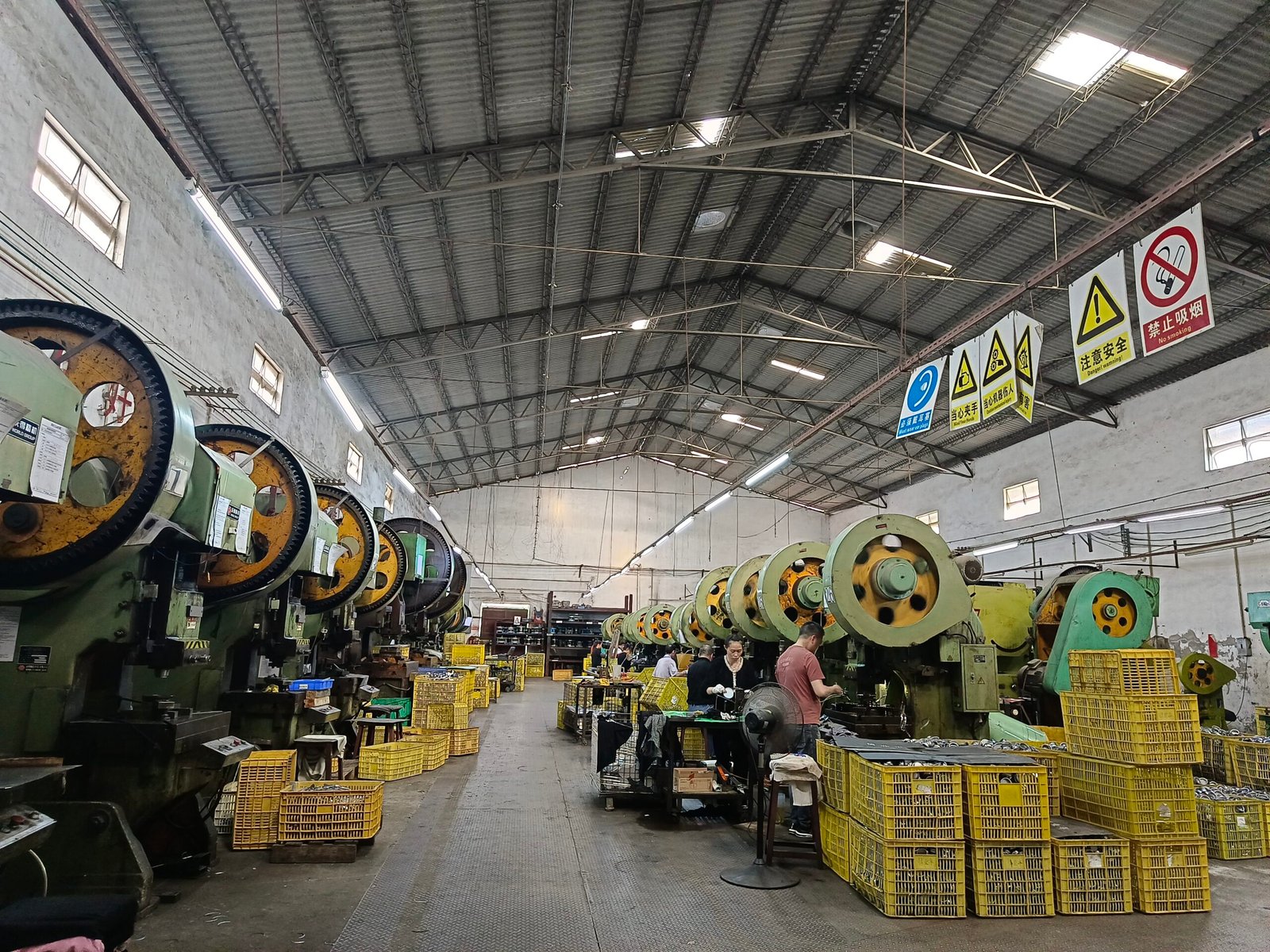
Manufacturing Behind the Product
Process images support the technical capability described above rather than serving as generic factory decoration.
Have a Coffee Tool or Espresso Component You Need to Develop?
Send the drawing, physical sample, target quantity and key specifications. We will review the most practical manufacturing route from prototype to production.