Choosing the right filter basket can feel confusing. The wrong choice can ruin your espresso. Let's break down the differences so you can pick the perfect basket for your customers.
Choose a pressurized basket if the user is a beginner or uses pre-ground coffee. It is forgiving and creates thick crema. Experienced baristas prefer non-pressurized baskets for greater control over extraction and to highlight nuanced coffee flavors. The choice depends on user skill and coffee quality.
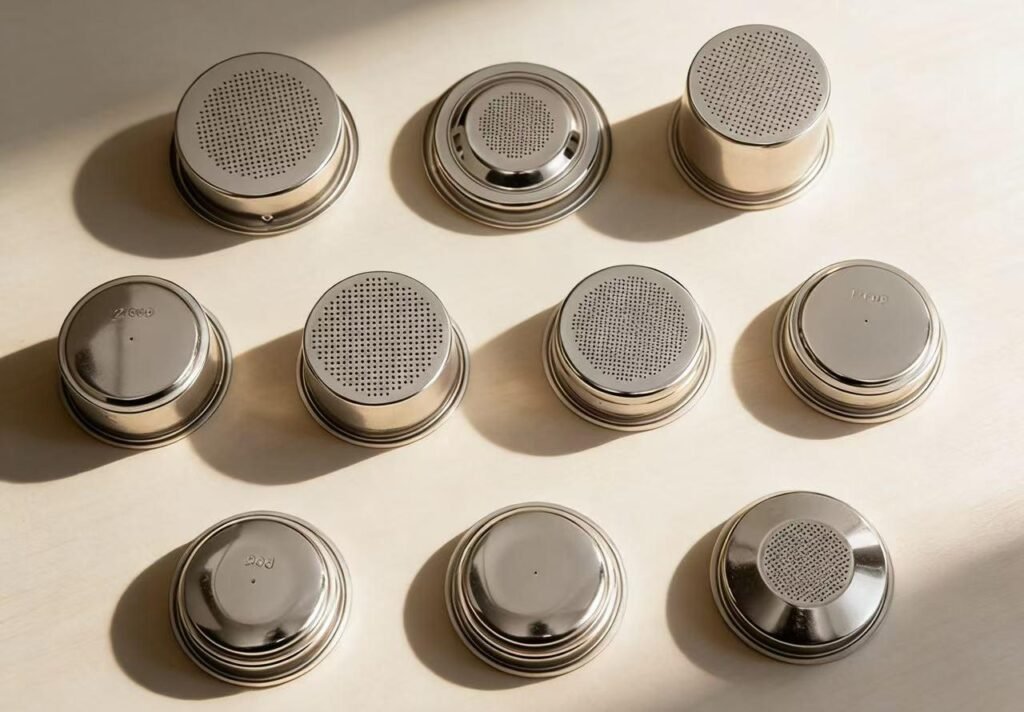
I get this question all the time from my wholesale clients. They want to know which basket is the right one to stock for their specific markets. The answer is not always simple because it really depends on the coffee machine and the person using it. To make the best choice for your business, you need to understand who will be making the coffee. Let's dive deeper into which machines and users are best for each type of basket.
What Machines Are Best for Pressurized Baskets?
You sell entry-level machines to home users. Your customers struggle to pull a good shot of espresso. This can lead to complaints and returns, which hurts your brand's reputation.
Pressurized baskets are ideal for entry-level, home espresso machines. They work very well with blade grinders or pre-ground coffee. These baskets create the necessary pressure artificially. This ensures a decent shot even when the grind size and tamping are not perfect.
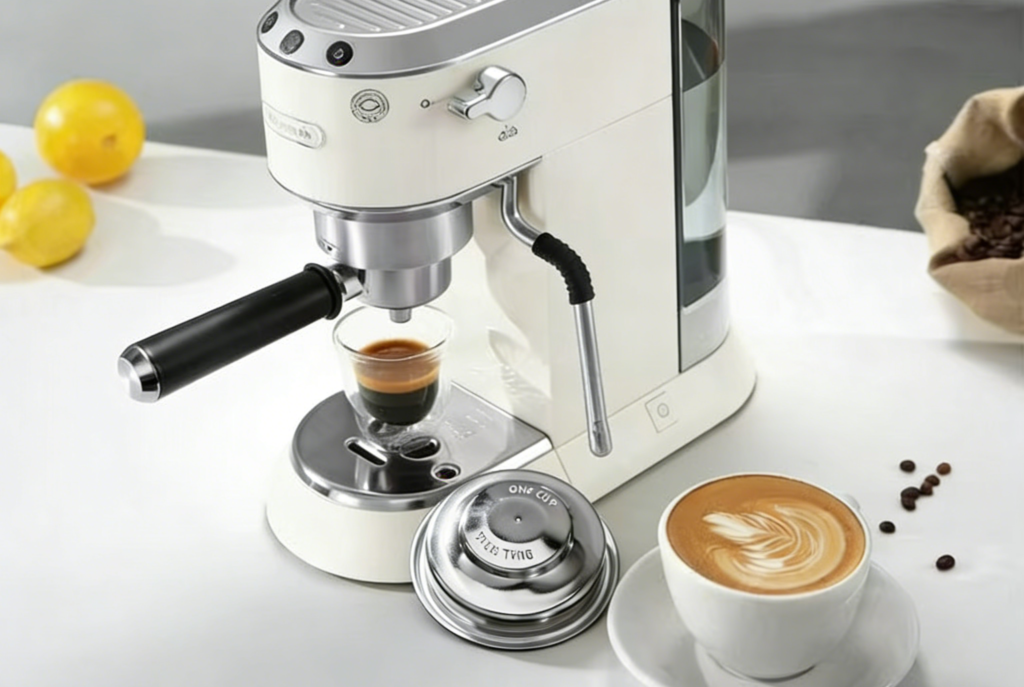
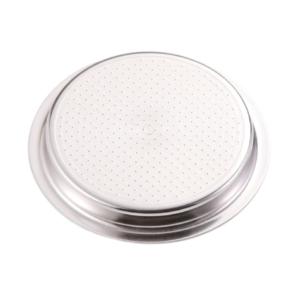
A pressurized basket1 is often called a "dual-wall" basket. It has an inner wall with many holes, just like a standard basket. But it also has an outer wall with only one tiny hole for the espresso to exit. This single hole is the key. It restricts the flow of water, which forcefully builds up pressure inside the basket. This design means the pressure is created by the basket itself, not by the finely ground and tamped coffee puck. This is why it is so forgiving. A beginner using pre-ground coffee from a supermarket can still pull a shot that looks great. The crema is usually very thick and foamy. This visual success is very encouraging for someone new to espresso. Many of my clients who distribute home coffee machines, especially to big-box retailers, order our pressurized baskets in large quantities. They tell me it dramatically reduces customer support calls and increases positive reviews for their entry-level machines. It helps their customers feel successful right away.
Pressurized Basket: User and Machine Profile
| Feature | Benefit for Home Users | Ideal Machine Type |
|---|---|---|
| Double-wall design | Creates artificial pressure for consistent results | Entry-Level Home Espresso |
| Forgiving on grind/tamp | Reduces beginner frustration and learning curve | Machines paired with blade grinders |
| Produces thick, stable crema | Gives a visually appealing, professional-looking shot | All-in-one espresso makers |
| Hides coffee flaws | Good for supermarket beans or pre-ground coffee | Low-cost consumer models |
What Machines Are Best for Non-Pressurized Baskets?
Your customers are coffee enthusiasts. They own high-end or commercial machines. They demand precision and are frustrated by equipment that limits their control over the final taste of their coffee.
Non-pressurized baskets are the standard for commercial and high-end "prosumer" espresso machines. They require a quality burr grinder and proper technique. These baskets give the barista full control over the extraction process, allowing them to produce superior, nuanced espresso shots.
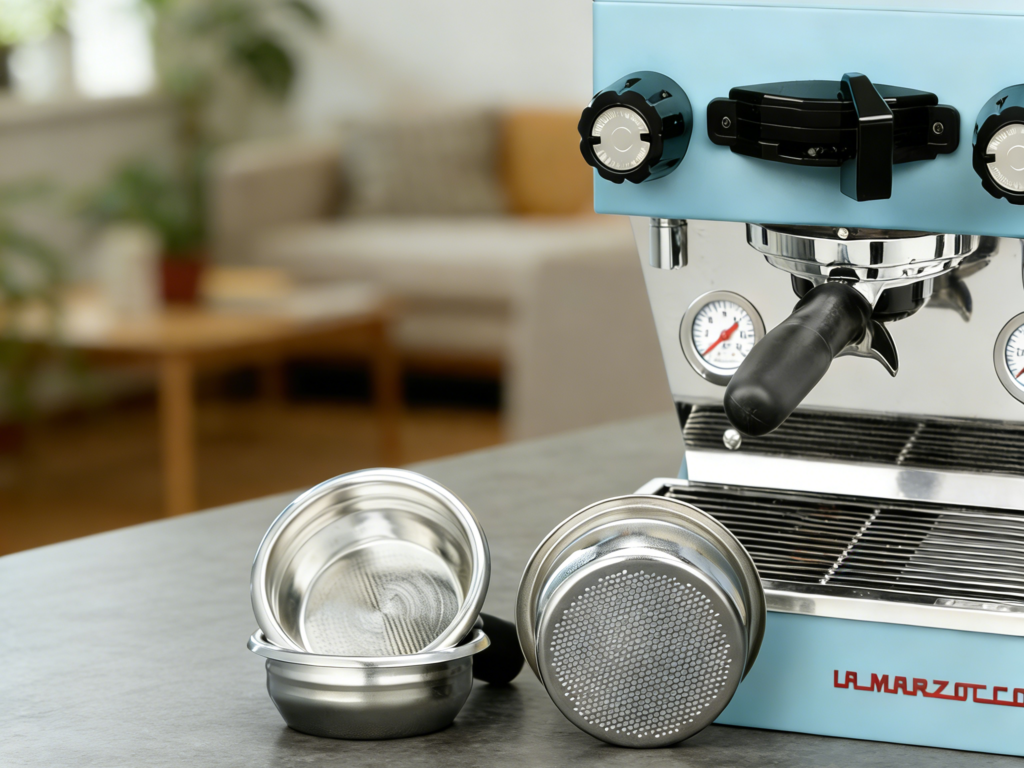
A non-pressurized basket has a single wall. The bottom of the basket is covered in hundreds of tiny, precision-engineered holes. With this design, the basket itself does not create pressure. Instead, the resistance comes entirely from the puck of finely ground coffee. This means every step of the process is critical. The barista must "dial in" the shot. They have to adjust the grind size, the amount of coffee, and the tamping pressure to find the perfect balance. It requires skill and a good quality burr grinder. The reward for this effort is complete control. You can taste the subtle floral notes of a light-roast Ethiopian coffee or the rich chocolate flavors of a Brazilian bean. But this transparency also reveals flaws. A bad grind or stale beans will result in a terrible shot. This is why my clients who supply cafes, hotels, and specialty coffee equipment distributors exclusively order our SIF non-pressurized baskets. They know that professional baristas demand this level of precision. Our baskets meet the high standards their customers require to create truly exceptional espresso.
Non-Pressurized Basket: User and Machine Profile
| Requirement | Reason for Prosumer/Commercial Use | Ideal Machine Type |
|---|---|---|
| Consistent fine grind | The coffee puck must create all the brewing pressure | Commercial Espresso Machines |
| Proper distribution & tamping | Ensures even water flow for balanced extraction | Prosumer & High-End Home Machines |
| High-quality, fresh beans | Flavor profile and any flaws are easily detected | E61 Group Head Machines |
| Skilled user (Barista) | Allows for fine-tuning variables to perfect the shot | Manual Lever Machines |
How Should You Match Baskets to Machines for Your Market?
Stocking the wrong accessories leads to dead inventory. This ties up your capital and reduces your overall profitability. You need a clear strategy to avoid this common mistake.
For a market focused on home users, stock pressurized baskets. They are user-friendly. For a market of specialty coffee shops and serious enthusiasts, stock high-quality, non-pressurized baskets. They meet the demand for precision and control. This targeted approach works best.
Your inventory strategy is crucial for success. I work closely with clients like Mark, a distributor in Europe, to help them with this. His business serves both home users and professional cafes. For his B2B customers who sell home appliance packages, he orders our pressurized baskets. They pair them with entry-level machines, which makes the end-consumer happy and reduces returns. For his commercial clients, like coffee shop chains and hotel suppliers, he stocks our precision non-pressurized baskets. These are essential for any professional environment. At SIF Coffee Tools, we provide OEM/ODM services2 so clients like Mark can sell these baskets under their own brand. This builds their brand value while relying on our manufacturing expertise and quality certifications like FDA and LFGB. By offering both types, you position your business as a comprehensive one-stop-shop. You can serve the entire market, from the beginner making their first espresso to the professional barista serving hundreds of customers a day. This smart sourcing strategy is what separates successful distributors from the rest.
Strategic Sourcing Guide for Your Business
| Target Customer | Machine Type | Recommended Basket | Your Business Benefit |
|---|---|---|---|
| Home User / Beginner | Entry-Level Consumer | Pressurized | Fewer customer complaints, higher satisfaction |
| Coffee Enthusiast | Prosumer / High-End Home | Non-Pressurized | Meets demand for quality and control |
| Cafe / Restaurant | Commercial | Non-Pressurized | Establishes professional credibility and repeat sales |
| Your Private Label | All Types | Both (OEM/ODM) | Builds your brand as a full-service supplier |
Conclusion
Ultimately, choose pressurized baskets for ease of use and non-pressurized for total control. Matching the right basket to the right user is the key to a perfect espresso shot.